
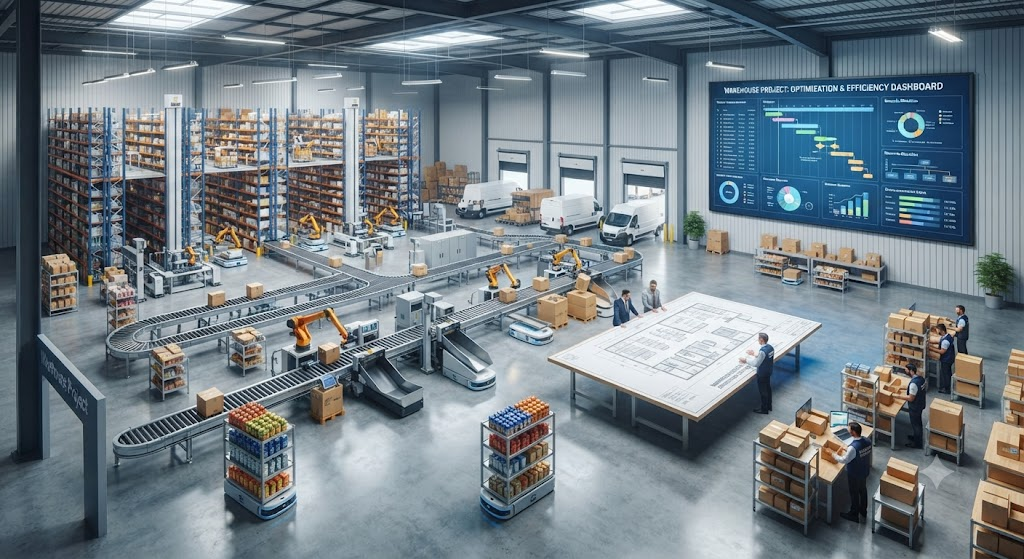

Have you ever wondered how your favorite online order gets to your doorstep so fast? Behind the scenes, there is usually a complex operation known as a Warehouse Project. A warehouse project is a focused plan to design, build, or improve a large storage facility. It is not just about stacking boxes on shelves. It involves smart planning to make sure products move from a factory to a customer without any delays. When a company starts a new warehouse project, they are really working on a puzzle. They must figure out how to save time, keep items safe, and make work easier for the team on the ground.
Why Do Companies Need a Warehouse Project?
Businesses grow quickly, and they often run out of room for their goods. A warehouse project helps them expand their storage space effectively. By planning carefully, a company can store more items in the same amount of space. This reduces costs and keeps the business healthy. Think of it like organizing your own bedroom closet to fit more clothes. If you plan it right, you can find your favorite shirt in seconds. Companies do this on a massive scale to stay competitive. Without a good plan, things get lost, and customers wait too long for their packages.
Choosing the Right Location
The location is one of the most important parts of any successful warehouse project. You want your storage space close to major highways, ports, or airports. This helps trucks move in and out quickly. If a warehouse project is built in the wrong spot, shipping costs go up, and delivery times slow down. Experts look at maps and traffic patterns to find the perfect site. They want a place where drivers can easily reach the building. A great location acts like a shortcut for your business, saving both fuel and precious time every single day.
The Power of Smart Layouts
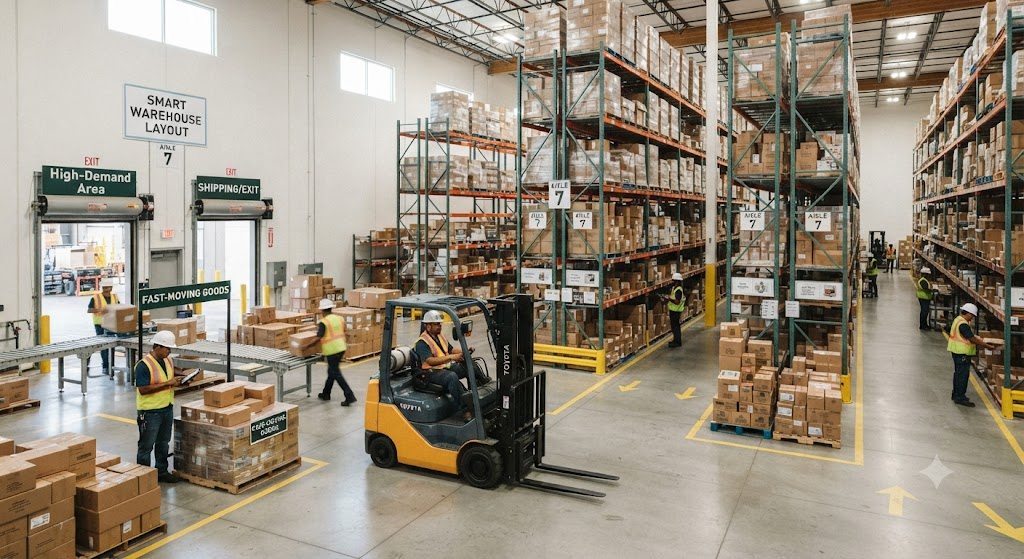
Inside a building, the layout is the heart of every warehouse project. You need wide aisles for forklifts to move safely. You also need a logical spot for the most popular items. If your top-selling items are near the exit, your team can pack them faster. A smart warehouse project uses vertical space by stacking shelves all the way to the ceiling. This allows you to store thousands of extra items safely. When the layout flows well, employees walk less and do more. It is all about making the daily workflow smooth, simple, and very efficient for everyone.
Keeping Goods Safe and Secure
Safety is the number one priority in any warehouse project. You must have clear paths, good lighting, and fire safety systems. Workers need to know how to move heavy boxes without getting hurt. A professional warehouse project includes training programs for all team members. Furthermore, cameras and security gates keep the inventory safe from theft. When you build a space that feels secure, your employees feel better about their work. Happy, safe workers are the secret ingredient to any successful business. Investing in people is just as important as investing in the building itself.
Technology in the Modern Warehouse
Today, every great warehouse project uses cool technology. Barcode scanners help workers track exactly where an item is located. Some systems even use robots to move items around the room. These tools make a warehouse project much faster than it was twenty years ago. Computers tell workers exactly where to go, which stops them from wandering around looking for products. By using simple apps and digital trackers, a business can see exactly what they have in stock. Technology takes the guesswork out of the job and makes everything run like a clock.
Sustainable Building Practices
Building a giant facility can use a lot of energy. A modern warehouse project focuses on being green. This means using solar panels on the roof or big windows for natural light. Saving electricity helps the environment and keeps the company’s bills low. When I visit these sites, I love seeing how they reuse water and use recycled materials for floors. A warehouse project that cares about nature is a sign of a smart, forward-thinking business. Being eco-friendly is not just a trend; it is a smart way to help our planet while staying productive.
The Role of Inventory Management
Inventory is just a fancy word for all the stuff you have in stock. A warehouse project needs a clear system to keep track of every single item. If you have too much of one thing, it takes up space. If you have too little, customers get upset because their items are out of stock. A good plan keeps a perfect balance. Using smart software helps the team know exactly when to order more supplies. This keeps the warehouse project running smoothly without any big surprises. It is about keeping the shelves just right, every single day.
Creating a Great Team Culture
A building is just steel and concrete without the right people. Every warehouse project needs a team that works together. Managers should listen to the people on the floor because they know how things actually work. When you host meetings and share goals, everyone stays motivated. I have seen how a warehouse project thrives when the staff feels like a family. Encourage your team to talk, share ideas for improvement, and celebrate small wins. When the team is happy, the work gets done faster and with much fewer mistakes.
Budgeting for Success
You cannot have a successful warehouse project without a solid budget. It costs a lot of money to buy land, build walls, and install technology. You must list every single cost from the start to avoid running out of cash. Many people forget about the small stuff, like insurance or daily electricity. A detailed warehouse project plan includes a “rainy day” fund for unexpected problems. If you watch your money closely, you can afford better equipment that lasts longer. Planning your spending is just as important as planning the actual building construction.
Future-Proofing Your Space
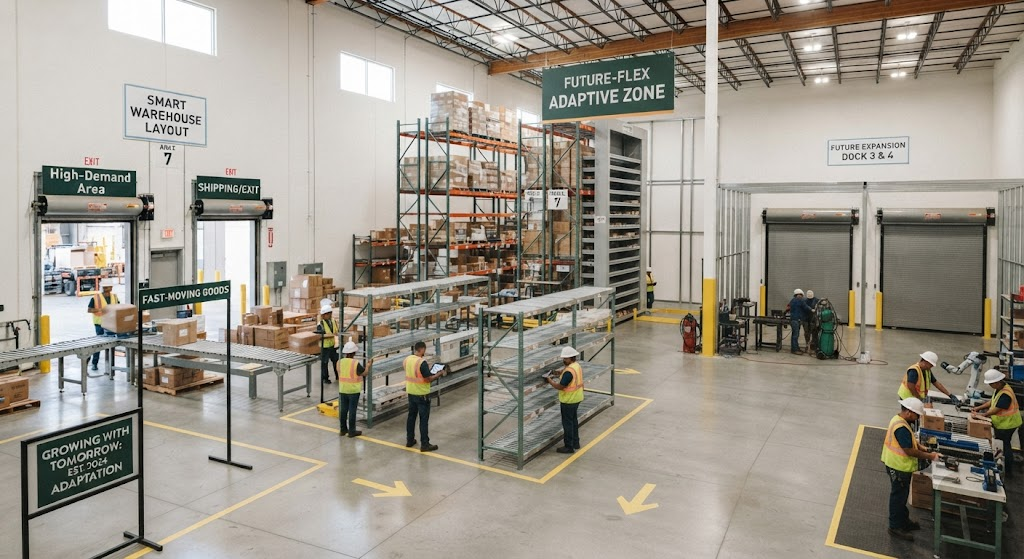
The world changes fast, so your warehouse project should be ready for the future. You might need more space in five years, or perhaps you will start selling different types of products. Designing a flexible building allows you to move shelves or add more docks later. A smart warehouse project is never truly finished. It grows and changes alongside the business. By keeping your options open, you save money in the long run. Always think about what your business might look like tomorrow, not just what it needs today.
Detailed Warehouse Planning Table
| Phase | Main Task | Why it Matters |
| Step 1 | Location Scouting | Saves shipping time and fuel costs. |
| Step 2 | Design & Layout | Improves movement and packing speed. |
| Step 3 | Tech Integration | Tracks items and prevents errors. |
| Step 4 | Safety Training | Protects staff and inventory. |
| Step 5 | Future Planning | Allows the business to grow easily. |
Frequently Asked Questions
1. What is the main goal of a warehouse project?
The main goal is to organize products so they can be stored and shipped to customers as quickly as possible.
2. How long does a typical warehouse project take?
It depends on the size, but most projects take several months from planning to opening day.
3. Why is location so important for a warehouse?
Being close to highways or airports makes it much cheaper and faster to move goods.
4. Do I need robots for my warehouse?
You don’t need them, but they can help if your business is very large and moves many items.
5. How can a warehouse be eco-friendly?
You can use solar panels, natural lighting, and recycled materials to save energy and help the planet.
6. What is the most common mistake in warehouse projects?
Many people forget to leave enough room for future growth, which makes it hard to expand later.
Conclusion
Starting a warehouse project is a big job, but it is worth it for any growing business. By focusing on a great location, smart technology, and a happy team, you can build a facility that works for you for many years. Remember to keep things simple, stay organized, and always think about how to make the work easier for your staff. Are you planning a new storage space, or are you just curious about how they work? Tell us your thoughts or ask a question in the comments below! We love hearing how you are building the future of your business.