
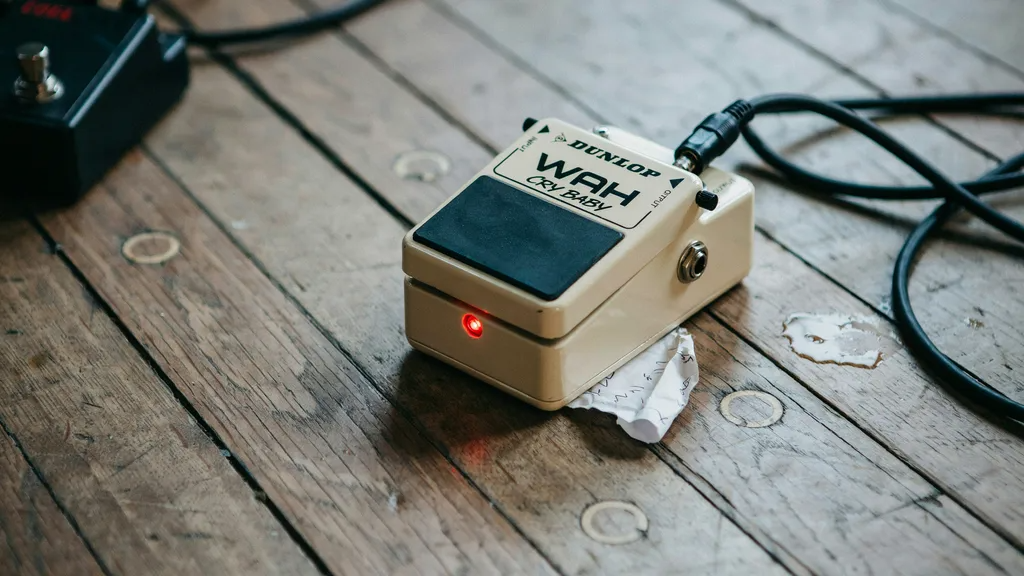

Have you ever listened to a cool rock song and heard a guitar that sounded like it was crying or talking? That amazing sound comes from a special device called a Wah Wah Guitar Effects Pedal. When you press your foot up and down on this metal box, it changes the tone of your guitar notes. It makes a distinct “wah-wah” sound that instantly grabs your attention. It is one of the most fun tools a musician can use. Let us dive in and learn all about how this magical pedal works and how you can use it to make your music sound super cool.
Playing the wah wah guitar effects pedal is all about moving your foot in time with the music. Inside the box, there is a special electronic filter controlled by a rocking foot pedal. When you push the front of the pedal down with your toe, the sound gets bright and sharp. When you rock back onto your heel, the sound gets dark and deep. Doing this back and forth creates that famous vocal-like vowel sound. Famous guitar players like Jimi Hendrix and Eric Clapton used this trick to make their solos sing. You do not need years of practice to try it out; you just need to listen to the beat and rock your foot gently.
Choosing your very first wah wah guitar effects pedal is an exciting moment for any player. There are many types available in music shops today, from simple vintage designs to modern pedals with extra buttons. Some pedals run on a simple nine-volt battery, while others plug right into the wall. You will want to test a few different models to see how they feel under your foot. Every pedal has its own unique sweep, meaning the range between the high and low sounds might feel a bit different. Finding one that matches your favorite shoe size and playing style makes rocking out even more comfortable during long practice sessions at home.
Setting up your wah wah guitar effects pedal correctly on your floor board makes a big difference in your overall sound. Usually, guitar players put this pedal right near the beginning of their signal chain, just after their tuner and before distortion pedals. This placement gives you the cleanest and most expressive sweep when you press your foot down. If you put it after heavy distortion, the effect can sound a bit too wild and messy. Experimenting with the order of your gear is half the fun of making music, so do not be afraid to plug things in differently and use your ears to find what sounds best to you.
How Does a Wah Wah Pedal Work?
Understanding the simple science behind a wah wah guitar effects pedal helps you use it like a pro. At its core, the pedal uses an electronic circuit with an inductor and a potentiometer. When you rock the foot treadle, it turns a tiny gear inside that shifts the center frequency of the audio signal up and down. This boost in a specific frequency band is what creates that vocal vowel sweep. Think of it like moving your mouth to make an “ee” sound and then an “oo” sound while you sing. The pedal does that exact same job for your guitar strings, turning ordinary notes into expressive speech-like sounds that really stand out in a band.
A Quick History of the Famous Foot Effect
The story of the wah wah guitar effects pedal started almost by accident back in the middle nineteen-sixties. Engineers were trying to redesign a solid-state amplifier circuit when they discovered that rocking a certain control knob created a cool wind-like sweep. A clever inventor named Brad Plunkett at Thomas Organ then took that idea and put it into a foot-controlled casing designed for orchestral instruments. Guitarists quickly realized that plugging their electric axes into this new box created pure magic. It quickly became the secret weapon of psychedelic rock, funk jams, and heavy metal solos, changing popular music forever.
Fun Ways to Practice Your Pedal Control
Mastering the foot motion of a wah wah guitar effects pedal takes a little bit of physical coordination. A great way to practice is to unplug your amplifier and just rock the pedal silently while you strum simple chords. Try to match the speed of your foot movement to the rhythm of the drums in your favorite song. Once that feels easy, try parking the pedal halfway down to find a sweet spot that gives your lead guitar solos extra punch. This technique, sometimes called cocked-wah, was famously used by guitar legend Mark Knopfler to get that distinct nasal, singing tone on classic radio hits.
Finding the Best Pedal for Your Budget
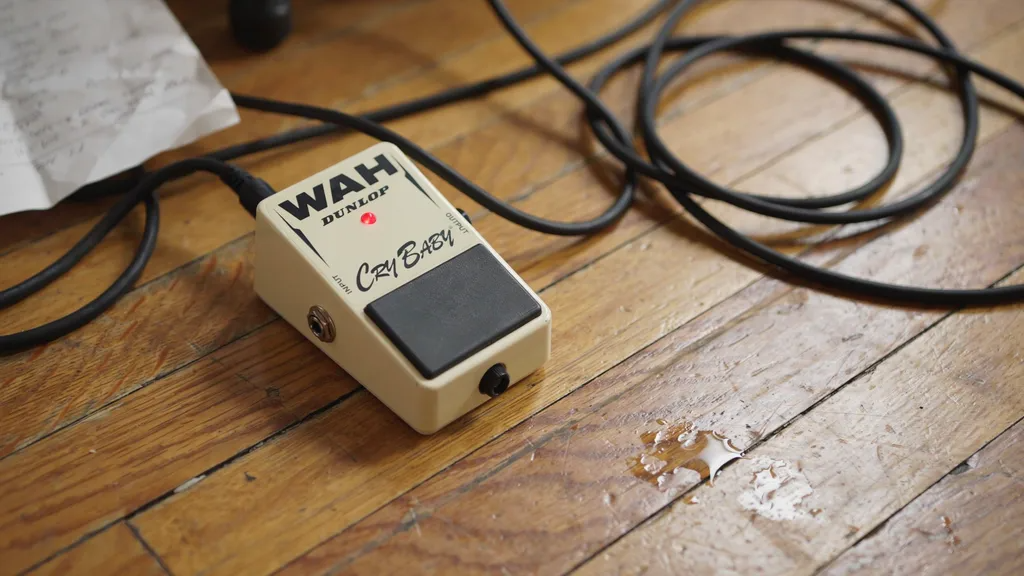
Shopping for a wah wah guitar effects pedal does not have to break your piggy bank. There are fantastic entry-level options that give you rugged metal construction and great tone without costing a fortune. Look for models featuring true bypass switching, which ensures your normal guitar tone stays crystal clear even when the effect is turned off. If you have extra room on your pedalboard, you might even consider optical pedals that use light beams instead of mechanical pots, meaning they will never get scratchy or worn out over years of heavy stomping and weekend band practice.
Essential Gear Connection Tips
Getting the best tone from your wah wah guitar effects pedal requires clean cables and reliable power. Always use shielded patch cables to connect your guitar and your amplifier so you do not hear any annoying buzzing sounds in the background. If you use a power supply brick, make sure the voltage matches what your specific pedal needs to avoid any electrical damage. Keeping your gear neat and tidy on the floor also protects the input jacks from getting stepped on or bent. A little bit of cable management goes a long way toward keeping your music sounding professional every single time you play.
Conclusion
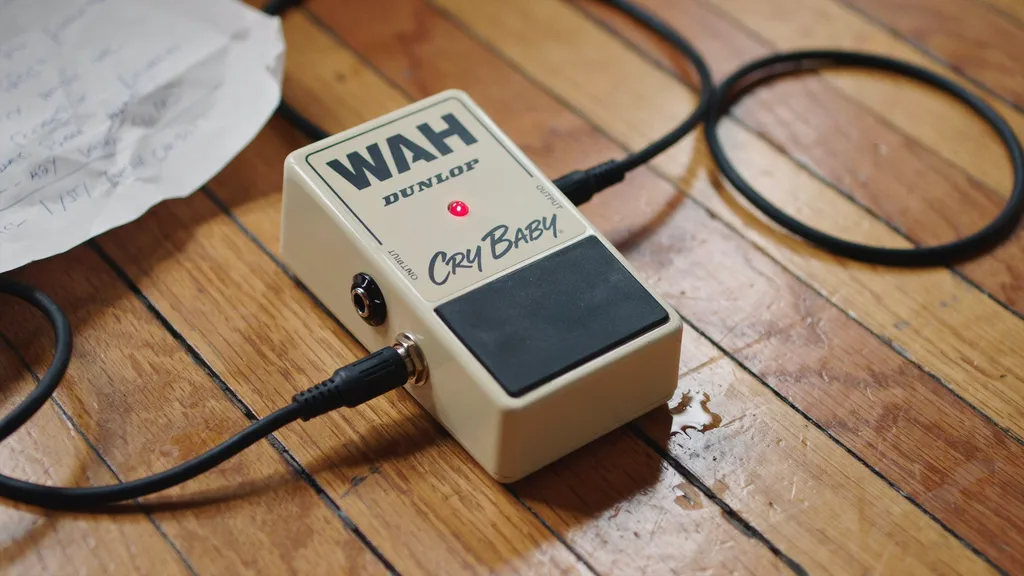
Your wah wah guitar effects pedal lives on the floor, which means it gets exposed to dust, dirt, and occasional spilled drinks. Giving your gear a quick wipe-down with a soft cloth after a long jam session keeps it looking brand new. If the rocking motion ever starts to feel a bit squeaky, a tiny drop of lubricant on the pivot joint will usually fix the problem right away. Treat your gear with care, and your favorite foot pedal will reward you with years of amazing tone, funky rhythms, and unforgettable guitar solos that will make everyone want to dance.
| Feature | Beginner Model | Pro Model |
| Housing Material | Heavy plastic or alloy | Die-cast aluminum |
| Power Source | 9V Battery or adapter | Isolated power brick |
| Sweep Range | Standard vocal range | Adjustable Q-factor |
| Switching Type | Mechanical buffer | True bypass / Optical |
Frequently Asked Questions
What does a wah wah guitar effects pedal actually do?
It is a foot-controlled filter that changes the frequency of your guitar notes, creating a sound that mimics a human voice saying “wah-wah.”
Where should I put the pedal in my signal chain?
Most players place the wah wah guitar effects pedal right at the beginning of their pedalboard, just after the tuner and before any distortion pedals.
Do I need batteries to run the pedal?
Many models can run on a standard nine-volt battery, but you can also plug them into a wall power adapter for endless practice sessions.
Can I use a wah wah pedal with an acoustic guitar?
Yes, you can use it with acoustic-electric guitars equipped with a pickup, though you should watch out for unwanted audio feedback through your speaker.
Is it hard to learn how to use the foot pedal?
It takes a little bit of practice to match your foot movement with your hand strumming, but most people learn the basic rhythm within a few days.
What famous musicians used this effect?
Legendary guitarists like Jimi Hendrix, Eric Clapton, Kirk Hammett, and Slash are well known for using this effect to create iconic music.
Ready to start making your own amazing music? Grab your gear, plug in your favorite wah wah guitar effects pedal, and start exploring new sounds today! What style of music are you planning to play first?