


Skin conditions such as eczema, atopic dermatitis, and vitiligo affect millions of people worldwide. While these disorders differ in their causes and appearance, they often have one thing in common: chronic inflammation that disrupts the skin barrier and significantly impacts quality of life.
For decades, topical corticosteroids have been considered the primary treatment option for inflammatory skin diseases. They remain highly effective for many patients, especially during acute flare-ups. However, long-term steroid use can create concerns, particularly when treating delicate areas such as the face, eyelids, neck, and skin folds.
Today, dermatologists increasingly recommend steroid-sparing therapies that can help control inflammation while minimizing some of the risks associated with prolonged corticosteroid use. One of the best-known options is topical tacrolimus.
Understanding Atopic Dermatitis
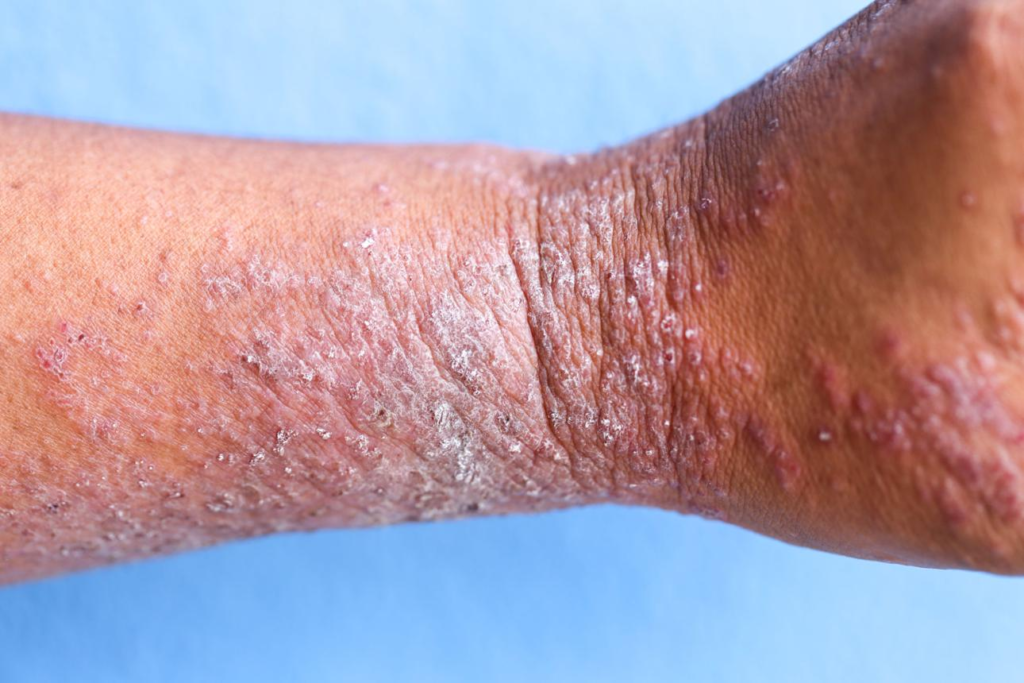
Atopic dermatitis is much more than dry skin. It is a chronic inflammatory disease involving a complex interaction between genetics, the immune system, and environmental triggers.
Common symptoms include:
- Persistent itching
- Dry, cracked skin
- Red or inflamed patches
- Thickened skin from repeated scratching
- Burning sensations
- Sleep disturbances caused by itching
Many patients experience cycles of flare-ups followed by periods of improvement. Factors such as stress, seasonal changes, allergens, harsh soaps, excessive washing, and infections can all trigger new episodes.
Although eczema can develop at any age, it most commonly begins during childhood and may continue into adulthood.
Why Long-Term Steroid Use Raises Concerns
Topical corticosteroids remain one of the most effective anti-inflammatory treatments available. Nevertheless, prolonged or inappropriate use may increase the risk of:
- Skin thinning (atrophy)
- Visible blood vessels
- Stretch marks
- Steroid-induced acne
- Perioral dermatitis
- Increased sensitivity of facial skin
- Reduced effectiveness over time
These concerns become especially important when treatment is required on delicate areas or when patients experience frequent flare-ups throughout the year.
Because eczema is usually a chronic condition, physicians often seek therapies suitable for repeated or intermittent use rather than relying exclusively on steroids.
What Is Tacrolimus?
Tacrolimus belongs to a class of medications called topical calcineurin inhibitors.
Instead of acting like a steroid, tacrolimus works by reducing the activity of specific immune cells responsible for skin inflammation. This helps decrease redness, itching, swelling, and irritation without causing steroid-related skin thinning.
This makes tacrolimus particularly valuable for sensitive areas including:
- Face
- Eyelids
- Neck
- Around the mouth
- Skin folds
- Genital regions
Many dermatologists recommend topical tacrolimus after steroid treatment has controlled an acute flare or when patients require a steroid-free maintenance option.
More Than Just Eczema
Although topical tacrolimus is primarily indicated for moderate to severe atopic dermatitis, healthcare professionals may also use it in selected patients with other inflammatory skin disorders when clinically appropriate.
These may include:
Vitiligo
Vitiligo occurs when melanocytes stop producing pigment in certain areas of the skin.
Some studies suggest that topical tacrolimus may support repigmentation, particularly on facial lesions and the neck when used under specialist supervision.
Facial Dermatitis
Facial skin is considerably thinner than skin elsewhere on the body.
Because steroids may cause visible side effects with prolonged use, tacrolimus has become a preferred alternative for many patients experiencing recurrent facial eczema.
Eyelid Eczema
The eyelids represent one of the most difficult locations to treat.
Repeated steroid application may increase the risk of unwanted complications, making tacrolimus a commonly considered non-steroidal option under medical supervision.
How Does Tacrolimus Work?
The immune system naturally protects the body from infections and harmful substances.
In eczema, however, certain immune cells become overactive, producing inflammatory chemicals that trigger itching, redness, swelling, and skin damage.
Tacrolimus reduces this excessive immune response by inhibiting calcineurin, an enzyme involved in activating T-cells. As inflammation decreases, many patients notice gradual improvements in:
- Itching
- Redness
- Burning
- Skin texture
- Frequency of flare-ups
Unlike steroids, tacrolimus does not thin the skin, making it particularly useful for repeated treatment of delicate anatomical areas.
What to Expect During Treatment
Patients should understand that topical tacrolimus is not an overnight solution.
While some improvement may occur during the first week, noticeable benefits often develop gradually over several weeks of consistent use.
A healthcare provider will determine:
- Appropriate treatment duration
- Frequency of application
- Whether maintenance therapy is necessary
- When treatment should be paused
Consistency is usually more important than applying excessive amounts.
Common Side Effects
Most people tolerate topical tacrolimus well.
The most frequently reported temporary reactions include:
- Mild burning
- Warm sensation
- Itching
- Slight redness
- Tingling after application
These effects often become less noticeable after several days as the skin adapts.
Patients should always report severe irritation, signs of infection, or unexpected skin changes to their healthcare provider.
Supporting Healthy Skin Beyond Medication
Medication alone rarely provides complete long-term control.
Dermatologists often recommend combining treatment with lifestyle measures such as:
Daily Moisturizing
Keeping the skin hydrated helps restore the skin barrier and reduces water loss.
Gentle Cleansing
Fragrance-free cleansers are generally preferred over harsh soaps.
Trigger Identification
Common triggers include:
- Dust mites
- Certain fabrics
- Strong detergents
- Emotional stress
- Seasonal weather changes
- Excessive heat
Learning individual triggers can significantly reduce flare frequency.
Sun Protection
People using tacrolimus should follow their physician’s recommendations regarding sun exposure and regularly use sunscreen on exposed skin.
Finding Reliable Treatment Options
Because tacrolimus is available in different strengths and formulations, it is important to obtain products from reputable pharmacies or trusted dermatology suppliers.
Patients interested in learning more about Tacroz Tacrolimus 0.1% Ointment can review detailed product information, available strengths, usage guidance, and formulation details before discussing treatment options with their healthcare provider.
Final Thoughts
Managing chronic inflammatory skin diseases requires patience, consistency, and individualized care.
While topical corticosteroids continue to play an essential role in dermatology, steroid-free alternatives such as tacrolimus have expanded treatment possibilities, particularly for patients requiring long-term management of sensitive skin areas.
Working closely with a qualified healthcare professional, maintaining good skincare habits, and selecting appropriate therapies can help many individuals achieve better symptom control and improve their overall quality of life.