
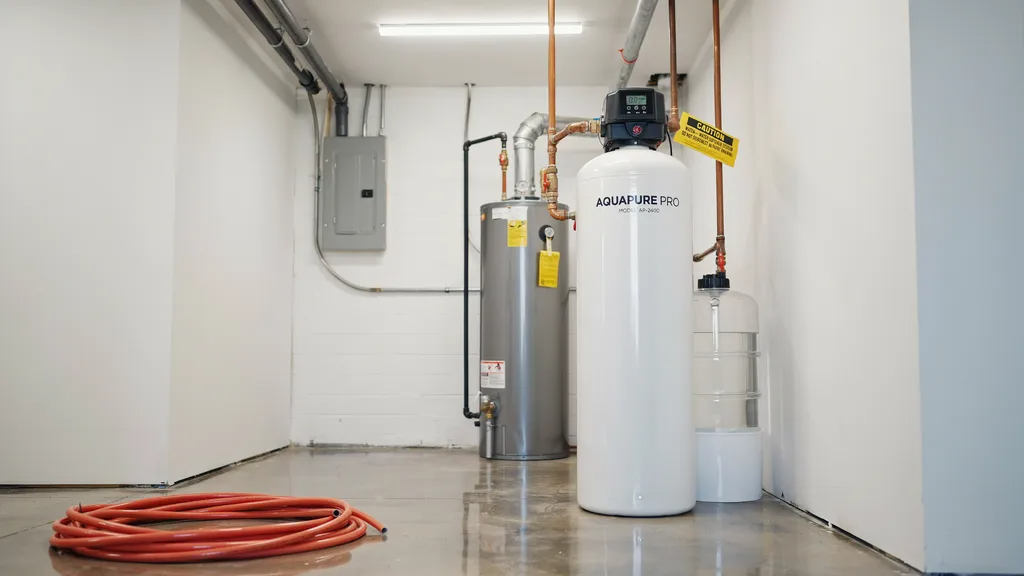

Have you ever turned on your kitchen faucet, washed your hands, and noticed a strange, chalky film left behind on your skin? Or maybe you have spotted stubborn white crusty spots building up around your shiny bathroom showerhead. If this sounds familiar, your home likely suffers from hard water. Hard water is packed with extra minerals like calcium and magnesium. While it is safe to drink, it can wreak havoc on your plumbing pipes, shorten the lifespan of your expensive water heater, and leave your laundry feeling stiff.
When homeowners finally decide to fix this annoying issue, the very first question they ask is usually, How Much Is a Water Softener? The short answer is that most families spend between $1,200 and $3,800 total for a new system and professional installation. However, the exact price tag depends heavily on several moving parts, including your home size, the specific type of unit you choose, and local plumbing labor rates. Let us dive deep into the real numbers so you can budget wisely without any stressful surprises.
Understanding the True Price Range of Water Softeners
When shopping for a home water treatment system, you will quickly notice that prices vary wildly. You can easily find budget-friendly standalone units starting around $300, while high-end smart systems or large commercial-grade setups can climb past $7,000. Most standard residential units designed for an average family land right around $1,500 for the equipment alone.
If you are wondering how much is a water softener when you factor in labor, professional installation typically adds another $500 to $1,100 to the bill. DIY installation can save you cash if you are handy with basic plumbing tools, but hiring a licensed professional ensures your warranty remains valid and prevents messy leaks under your floorboards.
Detailed Cost Breakdown Table
To help you visualize where your money goes, here is a complete breakdown of typical expenses associated with purchasing and setting up a modern water filtration unit:
| Expense Category | Average Cost Range | Description |
| Equipment Unit | $500 – $2,500 | The core system, including resin tanks, control valves, and brine tanks. |
| Professional Labor | $500 – $1,100 | Plumber or technician fees for mounting and connecting lines. |
| Piping & Fittings | $100 – $500 | Extra copper pipes, bypass valves, and drainage connectors. |
| Electrical Work | $0 – $300 | Optional outlet installation if a power source is not nearby. |
| Annual Maintenance | $100 – $300 / year | Ongoing costs for salt bags, cleaning, and periodic servicing. |
Single-Tank vs. Dual-Tank Systems Explained
The design of the system you select plays a massive role in answering how much is a water softener for your unique household. Traditional single-tank salt-based softeners are the most common choice for small to medium-sized homes. They typically cost between $500 and $1,500 for the unit itself. They work brilliantly, but they must occasionally pause to clean themselves through a process called regeneration.
On the other hand, dual-tank systems feature two resin tanks. While one tank actively softens your water, the second tank stands ready as a backup. This ensures you never run out of soft water, making them ideal for large families or homes with heavy water usage. These advanced dual setups usually cost between $1,500 and $3,000 for the hardware alone.
Salt-Based vs. Salt-Free Alternatives
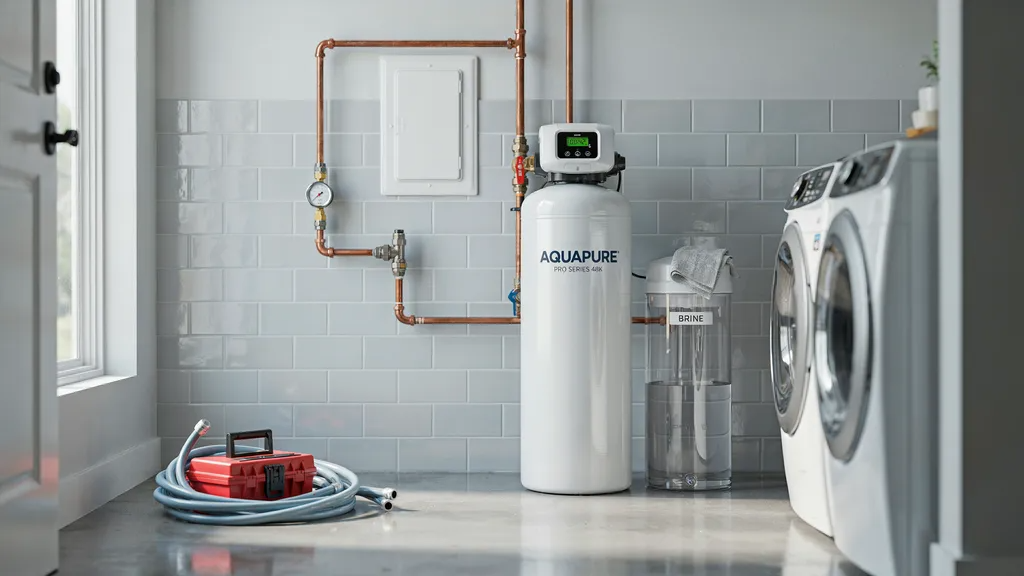
Another major factor that shifts the total cost is whether you want a traditional salt-based conditioner or a salt-free alternative. Salt-based models physically remove hardness minerals through an ion-exchange process. They provide that wonderfully slick, truly soft feeling on your skin during showers.
Salt-free systems, however, do not actually remove the minerals. Instead, they use a template-assisted crystallization process to alter how mineral crystals behave, stopping them from sticking to your pipes and appliances. Salt-free units generally cost around $800 to $2,500. They require much less daily maintenance, but they will not give you that classic soapy lather you might expect from a traditional setup.
How Household Size Impacts Total Expenses
Your home size and daily water consumption directly dictate the grain capacity you need to purchase. Grain capacity measures how many grains of hardness minerals a system can filter before it requires regeneration.
Smaller homes with just one or two bathrooms can usually get away with a compact 24,000-to-30,000-grain capacity unit. These smaller setups are relatively inexpensive. Conversely, sprawling homes with three or more bathrooms and busy families require robust 48,000-to-64,000-grain systems. Buying a unit that is too small for your household will cause it to wear out prematurely, costing you more money down the road.
Hidden Installation Fees to Keep in Mind
When calculating how much is a water softener, many people forget to check their home’s existing plumbing infrastructure. If your house was built with a pre-plumbed water softener loop in the garage or utility room, a professional plumber can hook up your new unit in less than two hours.
However, if your home lacks a loop, or if your main water lines are hard to reach in a tight crawl space or basement, installation complexity skyrockets. Plumbers may need to cut through drywall, reroute main supply lines, or install a dedicated electrical outlet near the unit. These extra labor hours can easily add several hundred dollars to your final invoice.
Ongoing Maintenance and Running Costs
Buying the physical unit is only half the financial journey. You must also factor in yearly upkeep expenses to keep your system running smoothly. For salt-based systems, you will need to purchase bags of salt every few months, which usually totals between $100 and $300 annually.
Salt-free systems save you money on salt, but their internal media filters eventually need replacement every three to seven years, costing roughly $200 to $500. Neglecting routine maintenance can lead to resin fouling, clogged control valves, and expensive emergency plumber visits later on.
Why Investing in Soft Water Saves You Money
At first glance, spending upwards of $2,000 on a water treatment system feels like a major hit to your wallet. Yet, looking at the bigger picture reveals that a water softener practically pays for itself over time. Hard water scales build up inside water heaters, forcing them to work twice as hard and driving up your monthly utility bills.
Furthermore, mineral scale ruins dishwashers, washing machines, and internal plumbing pipes, leading to premature appliance replacements and costly emergency repairs. By protecting your home appliances and reducing your soap and detergent usage by up to fifty percent, a quality softener turns into a smart long-term investment.
Smart Features and Brand Variations
Modern technology has transformed basic water treatment units into smart home appliances. Premium brands like Culligan, GE, Whirlpool, and Aquasana now offer Wi-Fi-enabled valves. These smart systems send push notifications directly to your smartphone when your salt levels run low, track your daily water consumption, and alert you to potential leaks.
While these high-tech features add convenience and peace of mind, they also push equipment prices toward the higher end of the spectrum. Choosing a reliable mid-range brand with a solid ten-year tank warranty often strikes the best balance between cost and quality.
Frequently Asked Questions
Can I install a water softener myself to save money?
Yes, if you possess confident DIY plumbing skills and your home already has an accessible bypass loop, you can install a unit yourself for under $100 in extra materials. However, complex plumbing or lack of experience means hiring a pro is safer.
How much salt does a typical water softener use each month?
An average household of four people typically consumes about one to two 40-pound bags of salt per month. This translates to roughly $10 to $20 monthly in salt expenses depending on local water hardness levels.
How long does a standard water softener last?
A well-maintained, high-quality water softener easily lasts between 10 and 15 years. Regular cleaning and timely resin replacements help maximize the operational lifespan of the equipment.
Does a water softener change the taste of drinking water?
Traditional salt-based softeners leave a very tiny amount of sodium behind in the water, though it is usually far below the taste threshold. If you have strict dietary restrictions, you can install a reverse osmosis drinking filter under your kitchen sink.
How do I know what size water softener my home needs?
Multiply the number of people in your home by your daily water usage (typically 75 to 100 gallons per person), then multiply that total by your water hardness rating in GPG (grains per gallon) to find your minimum required grain capacity.
Are salt-free water softeners completely maintenance-free?
Not entirely. While they do away with heavy salt bags, salt-free systems still require periodic media ring replacements every few years to ensure proper template-assisted crystallization.
Conclusion
Dealing with hard water can be a frustrating daily chore that damages your appliances and drains your wallet. Understanding how much is a water softener helps you take control of your home improvement budget and choose a system that fits your household’s unique demands. Whether you opt for a basic single-tank salt system or a high-end smart conditioner, protecting your plumbing pays massive dividends.