

Have you ever picked up a prescription and felt puzzled by the tiny letters on the label? You are definitely not alone. One of the most common codes you might see is the TID Medical Abbreviation. Many people look at their medicine bottles and wonder what those mysterious letters actually mean for their health. Simply put, these shorthand notes are a way for doctors and pharmacists to save time while giving you very specific instructions. Understanding these codes is a great step toward taking charge of your personal health and wellness journey every single day.
What Does TID Medical Abbreviation Stand For?
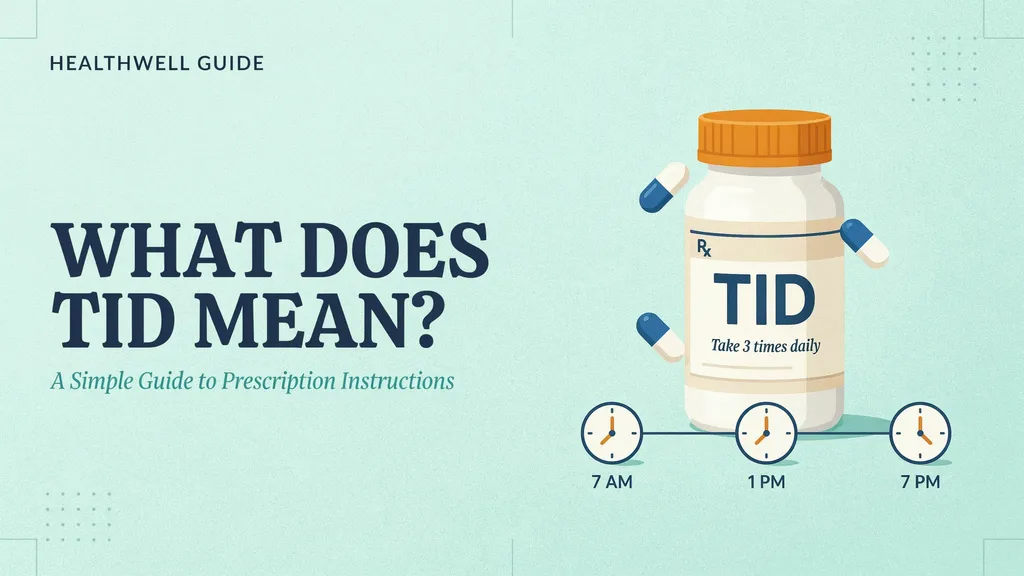
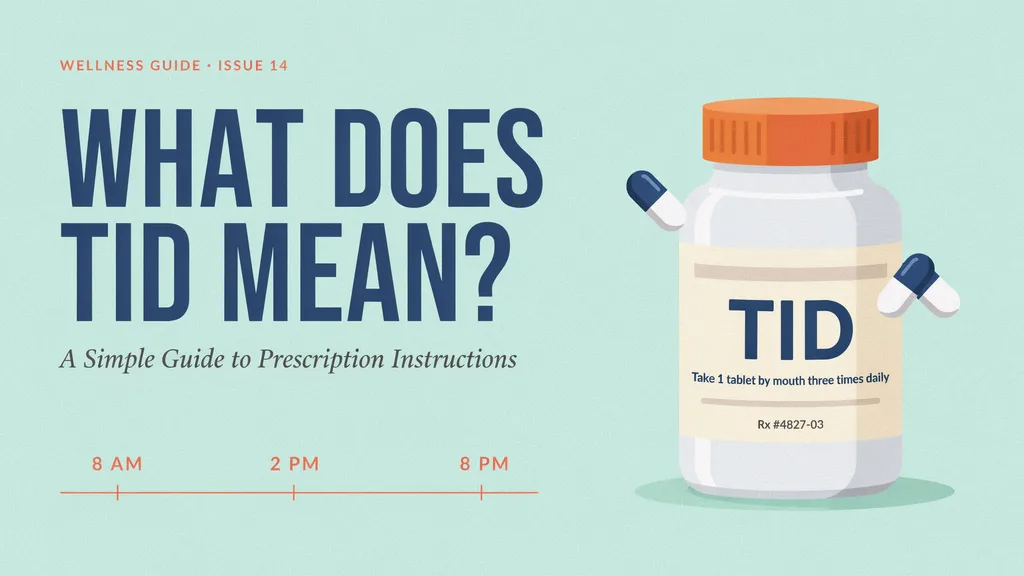
The tid medical abbreviation comes from the Latin phrase ter in die. In plain English, this translates directly to “three times a day.” When your doctor writes this on a prescription, they are telling you to take your medication three separate times during a twenty-four-hour period. It is a very standard way to ensure that your body has a steady amount of medicine working at all times. By spacing these doses out properly, you help the treatment work exactly as it should. It is a simple tool, but it is vital for your recovery and long-term health success.
Why Do Doctors Use Medical Abbreviations?
You might wonder why professionals use the tid medical abbreviation instead of just writing “three times a day” in plain text. Medical shorthand has been used for centuries to keep prescriptions clear, concise, and uniform across the globe. By using universal Latin-based codes, doctors and pharmacists can avoid errors that might happen with different languages. It creates a standardized language that keeps patients safe and helps pharmacies fill orders much faster. While it might look like a secret code to you, it is actually a well-tested system designed to prevent confusion and mistakes in high-pressure medical environments.
How to Schedule Your TID Medications
If your label says tid medical abbreviation, you need a plan to keep your schedule consistent. The best approach is to space your doses about eight hours apart throughout your waking day. For example, you might take your first pill at breakfast, the second at lunch, and the final one before dinner. This consistent timing keeps the medication level steady in your bloodstream. I always suggest setting a gentle alarm on your phone or using a colorful pill organizer to stay on track. Small habits like these make following a three-times-a-day routine much easier to manage at home.
TID vs. Other Common Dosage Instructions
It is very easy to confuse the tid medical abbreviation with other similar terms like BID or QID. To keep things clear, BID stands for bis in die, which means twice a day. On the other hand, QID stands for quater in die, meaning four times a day. Seeing the difference is important because taking the wrong amount of medication can change how well it works for you. Always double-check your bottle if you are unsure. If you ever feel mixed up, your local pharmacist is a friendly expert who is always happy to explain exactly how to read your specific label.
The Importance of Timing and Consistency
Consistency is the secret ingredient when dealing with any tid medical abbreviation prescription. If you skip a dose or take them all too close together, the medicine cannot do its job properly. Your body needs a steady rhythm to fight off infections or manage chronic conditions effectively. Think of it like watering a plant; it needs regular attention rather than a huge bucket of water all at once. By sticking to your schedule, you provide your body with the best possible support. If you miss a dose by mistake, check your patient leaflet or call your clinic for advice.
Can You Take TID Medication with Food?
Sometimes, your doctor might suggest taking your tid medical abbreviation medicine with a meal or a snack. This is often done to protect your stomach from irritation or to help your body absorb the drug better. Always read the sticker on your bottle, as it will tell you if food is required. If the instructions are unclear, feel free to ask your doctor if you should take it on an empty stomach or with a full meal. Taking your medicine at the same time as your daily meals is a clever trick to help you remember your doses throughout the day.
How to Handle Missed Doses
Life gets busy, and it is very common to forget a dose of your tid medical abbreviation medication occasionally. If you realize you missed your scheduled time, don’t panic or double up on your next dose. Usually, it is best to take it as soon as you remember, unless it is almost time for your next one. Doubling up can sometimes cause unwanted side effects or make you feel unwell. If you are ever unsure what to do, a quick call to your pharmacist can give you the peace of mind you need to get back on track safely.
Tracking Your Medications Effectively
Using a tracking system is a game-changer when you have a tid medical abbreviation on your prescription. You can use a simple paper calendar on your fridge or a smart app on your phone to tick off each dose. Many people find that physical pill boxes with “Morning,” “Noon,” and “Night” labels are the most helpful tools for success. When you can see that you have taken your medicine, you stop worrying and start feeling better. Staying organized turns a potentially stressful routine into a simple, automatic part of your daily healthy lifestyle.
Safety Tips for Prescription Labels
Always treat the tid medical abbreviation instructions as a high-priority rule for your health. If you are caring for a child or an elderly family member, it is vital to keep a written log of the times they receive their medicine. This prevents double dosing and ensures everyone is on the same page. Keep all your medicines in their original, clearly labeled containers so the instructions are never lost. Safety in the home starts with clear communication, and keeping these labels intact is a big part of protecting your loved ones from potential medication errors.
When to Speak with Your Healthcare Provider
If you find that the tid medical abbreviation schedule is too hard to fit into your daily life, please talk to your doctor. Sometimes, there are extended-release versions of medications that you only need to take once a day. Your doctor is your partner in health, and they want to make sure your treatment plan is actually doable for you. Do not be afraid to ask questions or express concerns about your dosage routine. Clear communication is the foundation of good medical care, and your comfort is the most important part of your recovery process.

Medication Dosage Summary Table
| Term | Latin Meaning | Frequency | Simple Explanation |
| TID | Ter in die | 3 Times a Day | Every 8 hours, typically with meals. |
| BID | Bis in die | 2 Times a Day | Morning and night (12-hour gap). |
| QID | Quater in die | 4 Times a Day | Usually every 6 hours. |
| QD | Quaque die | Once a Day | Once every 24 hours. |
| PRN | Pro re nata | As needed | Take only when symptoms occur. |
Frequently Asked Questions
1. Does the tid medical abbreviation mean I must take the pill exactly at 8 AM?
Not necessarily. It just means you should space the three doses evenly throughout your day to keep the medicine working well.
2. Can I take all three doses of a TID medication at once to save time?
Absolutely not. Taking all doses at once can be dangerous and cause side effects. Always spread them out as directed.
3. What if my TID medication makes me feel nauseous?
It might help to take it with a small snack or a glass of milk. Consult your doctor or pharmacist for the best advice.
4. Where can I find more info on prescription abbreviations?
Your pharmacy’s website or the patient information leaflet that comes in your medication box usually lists these common codes.
5. Is the tid medical abbreviation used for all types of medicines?
It is used for many things, like antibiotics or pain relief, but not every medication is prescribed this way.
6. Should I wake up at night to take my TID medication?
Usually, you do not need to wake up at night. Just spread the doses across your waking hours, like breakfast, lunch, and dinner.
Conclusion
Learning the tid medical abbreviation is a simple but powerful way to better manage your health and stay consistent with your treatments. By understanding these small codes, you become an active partner in your own care, which leads to better results and faster recovery. Whether you use alarms, apps, or daily planners, finding a rhythm that works for your unique life is the key to success. Have you ever struggled with a complex medication schedule, or do you have a favorite tip for staying on track? Please share your experiences below—we would love to hear how you keep your health goals on the right path!